

News
How to Dry Rubber Gloves Properly Without Ruining Them
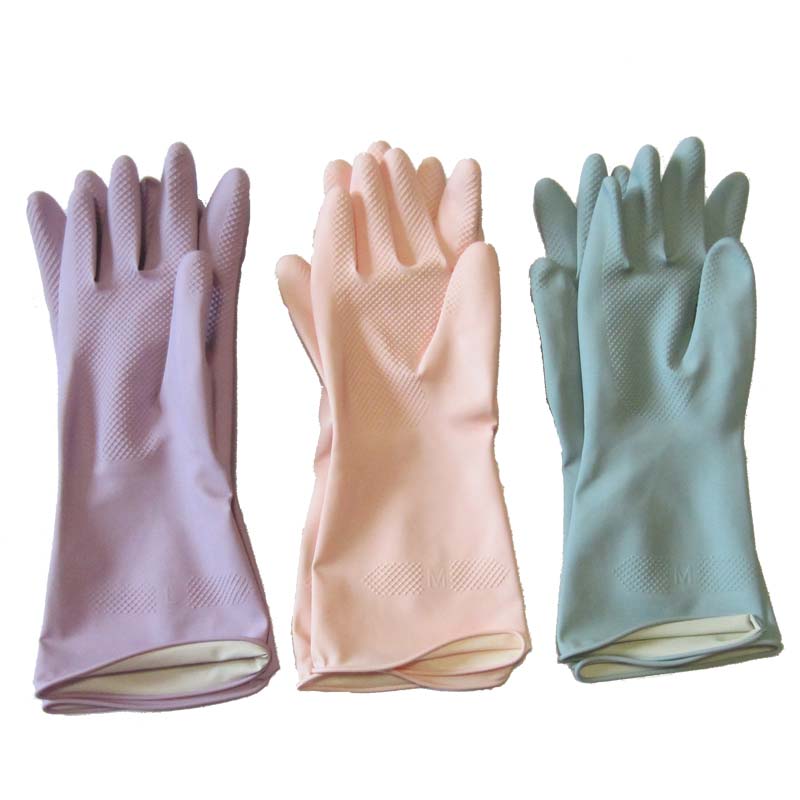
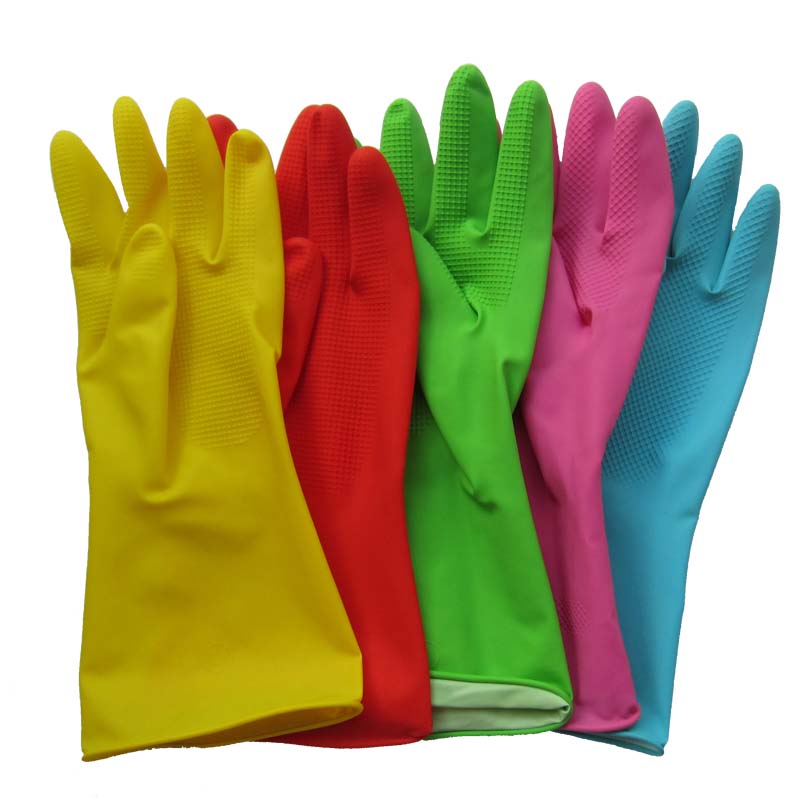
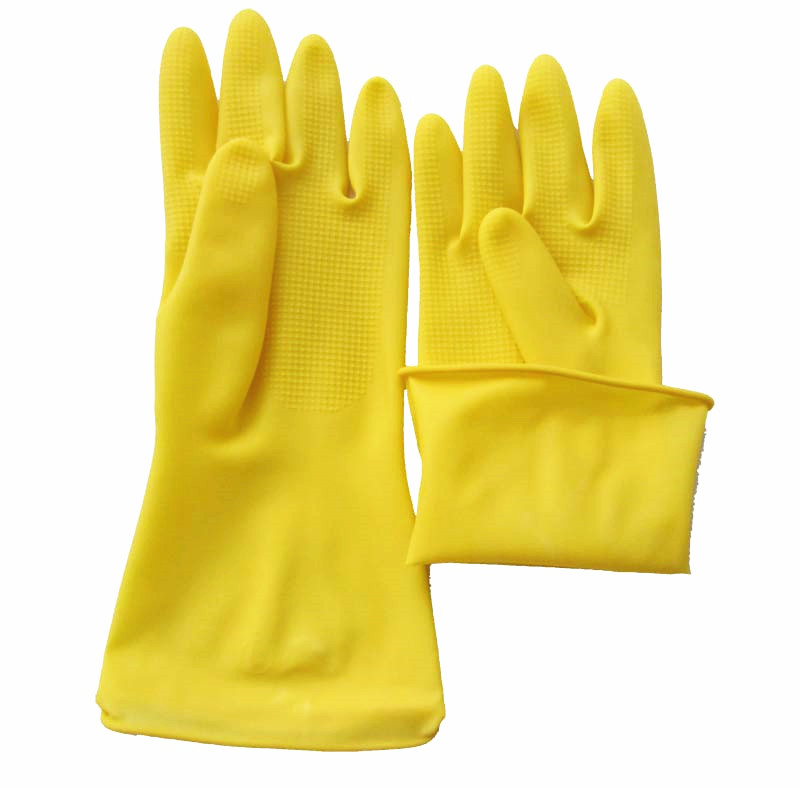
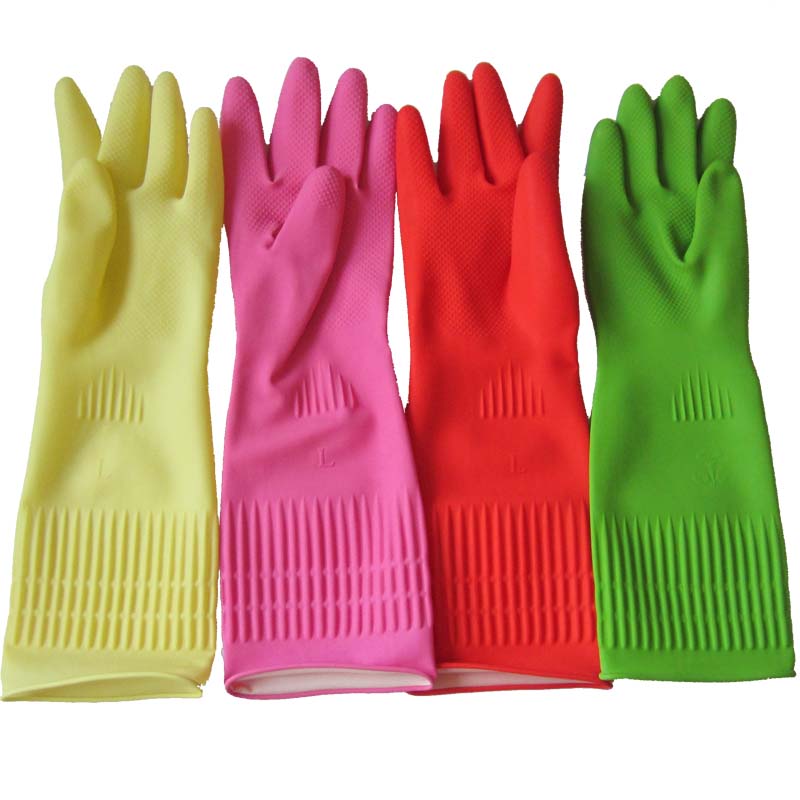
A wet rubber glove has one exit for moisture and most drying advice blocks it. Drain it cuff down, invert it, use a draught rather than heat, then check the inside with a tissue.
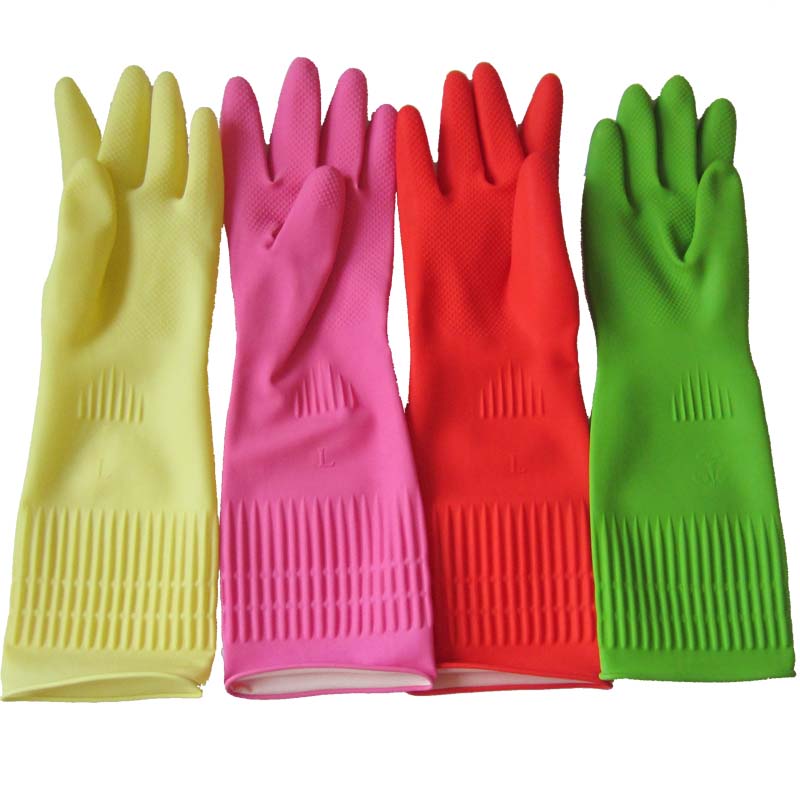
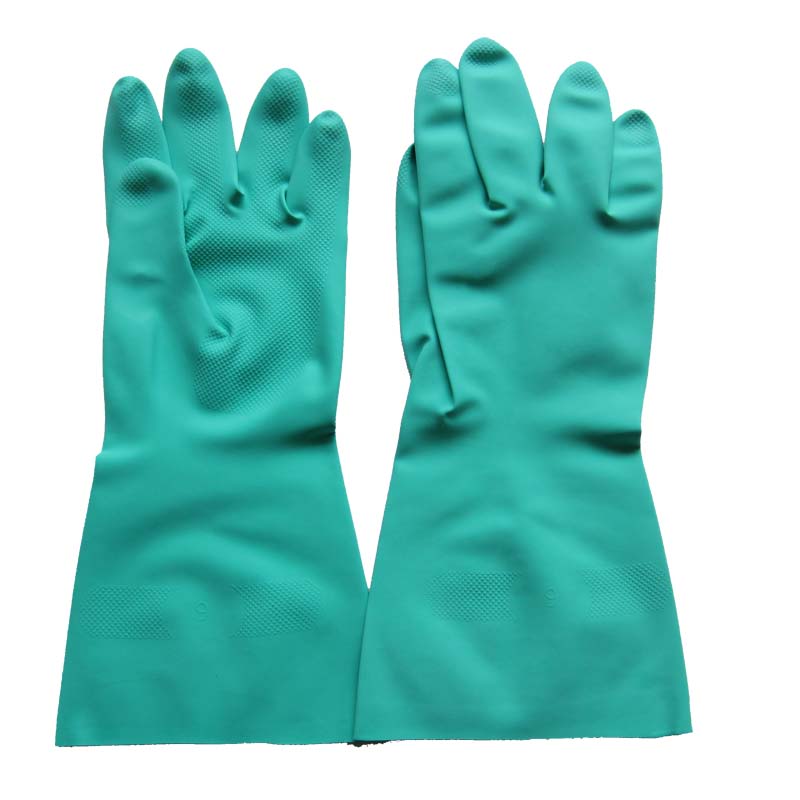
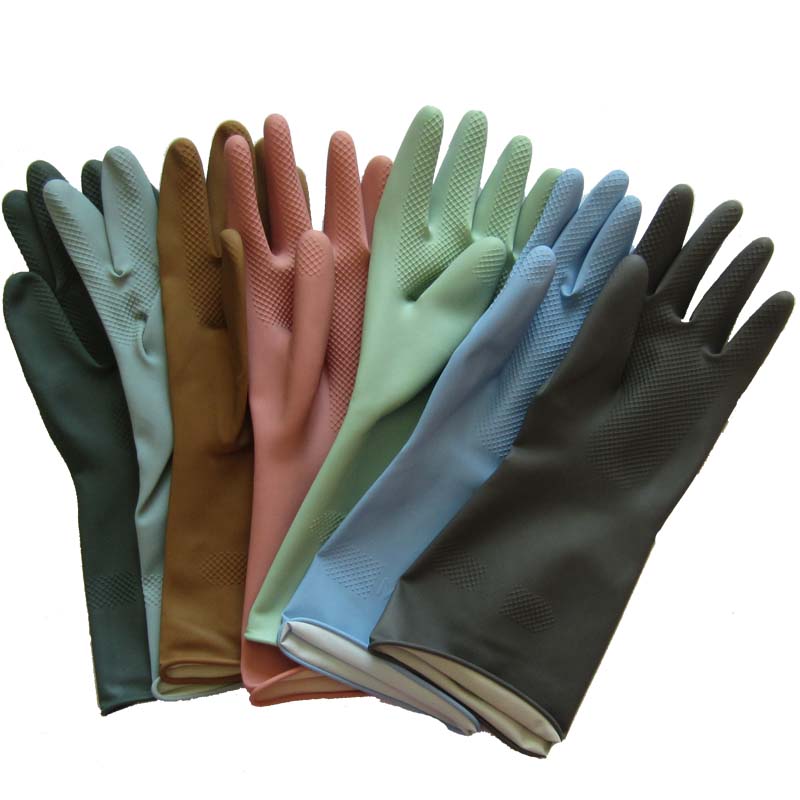
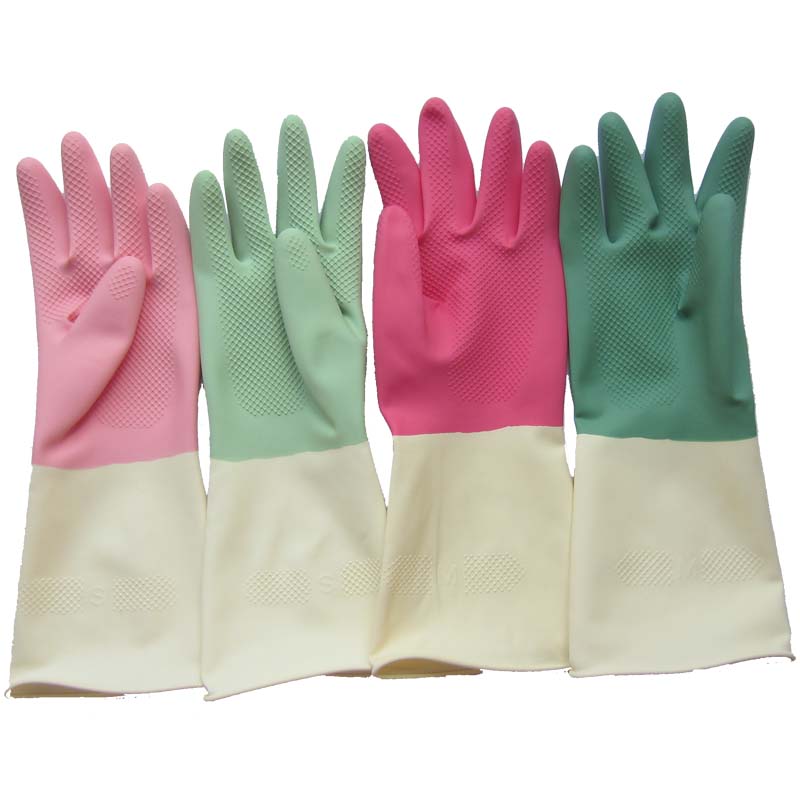
A wet rubber glove has one exit for moisture and most drying advice blocks it. Drain it cuff down, invert it, use a draught rather than heat, then check the inside with a tissue.
Sticky inside a rubber glove is usually sweat, starch or aged plasticiser, and each has a different fix. A paper towel and a kitchen scale tell you which one you have.

The white dust inside a rubber glove is cornstarch used as a slip layer, and it is not the same thing as a flocked lining. How the three inner finishes differ, and how to tell them apart in a minute.