
News
How to Check a Glove Sample in Ten Minutes
Five tests you can run on a kitchen table with a ruler, a scale and a pair of lungs: inflation, stretch, thickness, weight and measurement.
Five tests you can run on a kitchen table with a ruler, a scale and a pair of lungs: inflation, stretch, thickness, weight and measurement.

Compounding, dipping, curing, beading, stripping, testing, packing. What happens at each step, and which glove defects come from which stage.
Logo files, Pantone references, barcodes, pack artwork and carton marks: the checklist that separates a smooth private label launch from three weeks of email.
A glove that tears in the first week is not always a bad glove. Seven causes, from cuff thickness to storage, and how to work out which one you are looking at.
Three retail packing formats, what each one costs you in freight, and how to work out pairs per carton before you commit to a container.
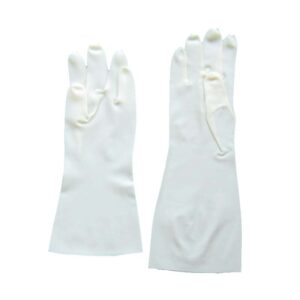
Rubber gloves do not expire on a fixed date. Heat, sunlight, ozone and oil decide how long they last. How to store stock so the last carton is as good as the first.
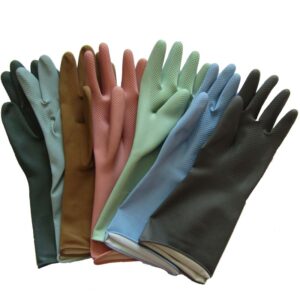
A size L in China is not a size L in Germany. How glove sizes are measured, how the three regional scales differ, and how to avoid a size complaint.
Length, weight, cuff, palm thickness, compound, packing: what each line on a glove spec sheet means, and which numbers actually change the price.
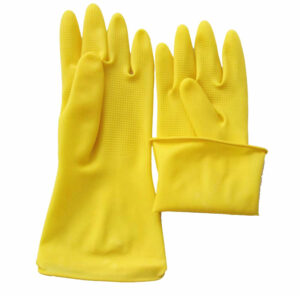
The lining inside a glove decides how it feels, how long it lasts and who will buy it. A plain comparison of flocklined, unlined and cotton-lined gloves.
A practical comparison of natural rubber latex and nitrile gloves for importers and buyers: stretch, oil resistance, allergy, cost and which one wins in each application.